
Fire Safety in Healthcare

Fire safety in healthcare settings is not just a compliance issue – it’s a matter of protecting vulnerable lives, maintaining 24/7 operations, and ensuring the safety of staff, patients, and visitors. Whether you’re responsible for a hospital, clinic, care home, or medical practice, having a comprehensive fire safety risk assessment in place is a legal requirement and a practical necessity.
Why fire safety matters in healthcare environments
Healthcare facilities face unique fire safety challenges. With complex layouts, life-saving equipment, and patients who may be unable to evacuate independently, the consequences of a fire can be devastating. Fires in hospitals or care homes can escalate quickly, putting multiple lives at risk and disrupting essential services.
A robust fire risk assessment is the first step in identifying hazards, evaluating risk levels, and implementing effective fire prevention and evacuation strategies.
Fire safety risk assessment for healthcare premises
A fire safety risk assessment in healthcare premises is a legal requirement under the Regulatory Reform (Fire Safety) Order 2005. It ensures your site is compliant with fire safety law and identifies necessary actions to reduce fire risk. The assessment must be reviewed regularly and updated whenever there are changes to the building structure, occupancy, or operations.
Whether you’re managing a small GP surgery or a large NHS Trust, you need a risk-based approach to fire safety planning. At TVF Fire Protection, we conduct tailored assessments that meet the specific needs of each healthcare setting.
Hospital fire risk assessment requirements
A hospital fire risk assessment must consider a wide range of factors including:
- Departmental layouts and compartmentation
- Evacuation routes and procedures (including phased evacuation)
- Fire detection and alarm systems
- On-site oxygen storage or hazardous materials
- Staffing levels and response protocols
We work with NHS and private hospitals to ensure full compliance with HTM 05-03 guidance and BS 9999 where relevant.
Fire risk assessments for care homes
A fire risk assessment for care homes must account for the mobility and cognitive ability of residents, 24-hour staffing, and the need for a safe, staged evacuation.
Key considerations should include:
- Bedroom fire doors and detection systems
- Personal Emergency Evacuation Plans (PEEPs)
- Night shift fire response planning
- Emergency lighting and signage
Whether it’s a small residential care setting or a larger nursing home, we provide fire risk assessments that meet regulatory requirements and deliver peace of mind.
Sector-specific fire safety considerations
Different healthcare facilities have different risks and layouts. We tailor our fire risk assessments for:
NHS hospitals
- Compliance with NHS HTM guidance
- Multi-department zoning
- Phased evacuation planning
Private healthcare facilities
- High-end medical suites with complex systems
- Private staff and patient areas
- Focus on business continuity
GP surgeries and clinics
- Small teams with limited fire safety training
- Public-facing spaces
- Safe escape for patients with mobility needs
Residential care homes and nursing homes
- Elderly residents and overnight staffing
- Secure exits and compartmentation
- PEEP development and review
Supported living and assisted living settings
- Independence vs supervision
- Shared communal areas
- Adaptable emergency planning
Dental practices and outpatient centres
- High footfall areas
- Storage of flammable materials (e.g. oxygen or nitrous oxide)
- Clear exit signage and safe egress
What a healthcare fire risk assessment includes
Our assessments for healthcare settings typically cover:
- Site walkthrough and hazard identification
- Fire detection and alarm system review
- Evacuation strategy evaluation
- Assessment of emergency lighting and signage
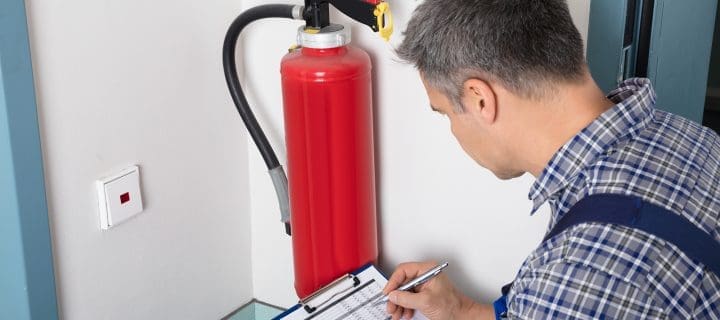
- Checks on firefighting equipment and maintenance records
- Staff fire safety training needs analysis
- Recommendations and compliance actions
Each report is tailored to your premises and designed to satisfy UK fire safety regulations while remaining practical and easy to action.
Book a healthcare fire risk assessment
At TVF Fire Protection, we work with care providers, NHS Trusts, private hospitals, and medical practices across the UK. We understand the regulations that apply to your sector and the realities of keeping people safe in fast-moving, high-risk environments.
Get in touch today to book your fire safety risk assessment for healthcare premises. Our team will provide clear, actionable advice, and ongoing support to help you meet your fire safety obligations.
Fire safety is a responsibility that never rests and we’re here to implement complete fire protection for your business. Get in touch with our industry-leading experts to learn how we prevent fires, protect lives, and ensure compliance for you.
Latest news
Fire risk assessments in healthcare FAQs
- What is a fire safety risk assessment in healthcare premises?
- A fire safety risk assessment in healthcare premises is a structured review of fire hazards, potential risks, and the adequacy of your current fire safety measures. It’s legally required under the Fire Safety Order 2005 and must be tailored to the specific risks of healthcare environments.
- Who is responsible for fire risk assessments in hospitals or care homes?
- The “Responsible Person” (e.g. facilities manager, care home owner, or hospital trust) is legally required to ensure a fire risk assessment is carried out and reviewed regularly. This applies to both NHS and private healthcare providers.
- How often should a fire risk assessment be reviewed in care homes?
- A fire risk assessment in care homes should be reviewed annually, or sooner if there are changes to layout, staffing, resident needs, or fire safety equipment. Regular reviews are critical to maintain compliance and protect vulnerable residents.
- What does a hospital fire risk assessment involve?
- A hospital fire risk assessment involves identifying fire hazards, reviewing evacuation plans, assessing fire compartmentation, and evaluating fire detection systems. It also includes looking at oxygen storage and patient movement strategies.
- Is there a difference between fire risk assessments in hospitals and GP surgeries?
- Yes. While both must meet legal requirements, hospital assessments are typically more complex due to larger scale, specialist equipment, and multiple departments. GP surgeries usually focus on public access areas, treatment rooms, and emergency exit planning.
- What fire safety regulations apply to healthcare premises in the UK?
- Healthcare premises must comply with the Regulatory Reform (Fire Safety) Order 2005 and, where applicable, NHS HTM 05-03 guidance. These regulations set out how fire safety should be managed and what documentation is required.
- Can you help us with fire risk assessments across multiple healthcare sites?
- Yes. We regularly work with healthcare groups and FM companies managing multiple sites. We can provide coordinated assessments, compliance tracking, and tailored reporting for each premises.
- Why is fire safety so important in hospitals and care homes?
- Fire safety is essential in hospitals and care homes because patients may be immobile, reliant on staff, or unaware of evacuation procedures. A fire could endanger lives and disrupt critical services if not managed effectively.